
How does the One Big Beautiful Bill affect you as a content creator? In this article, we walk you through the relevant policies of the OBBBA as it pertains to content creation, and give you some tips to reduce taxable income.
One Big Beautiful Bill Act (OBBBA) Changes
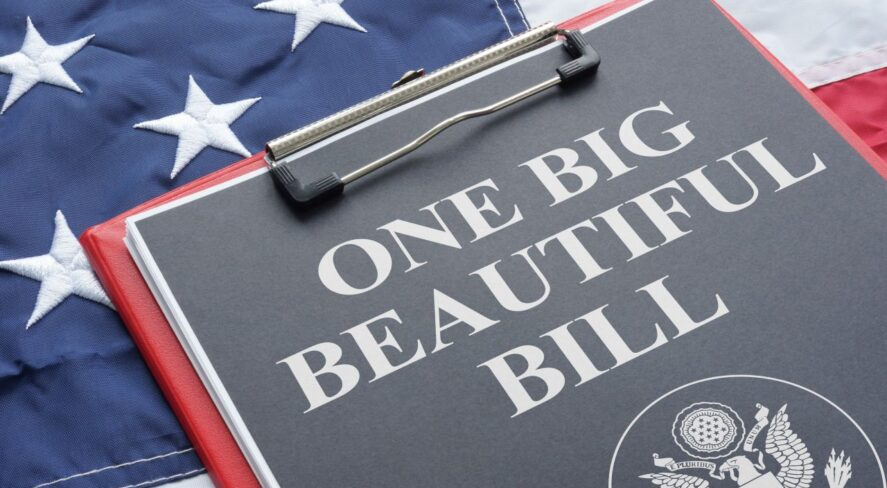
The One Big Beautiful Bill Act (OBBBA) was certainly a hot topic back when America was heading into its July 4th celebration of 2025 – which was already half a year ago! It passed with a narrow majority and provided sweeping tax overhaul. Here are the key changes of OBBBA:
- Increased standard deductions and child tax credit
- No tax on tips & no tax on overtime pay deductions
- Higher State And Local Tax deductions (SALT): up to $40,000 vs. $10,000 cap in prior year
- Enhanced deductions for seniors (65+)
- Brand new car loan interest deduction
- No more clean vehicle tax credit after Sep 30, 2025
For businesses, here are a few key changes:
- QBI is made permanent and enhanced
- 100% bonus depreciation is brought back and made permanent
- Section 179 expensing limits are increased
=> This helps small creators & businesses upgrade equipment and deduct it immediately
- R&D costs can be fully expensed in the year incurred
- Higher reporting threshold for 1099(s) so third-party & independent contractor payments are adjusted upward
=> Fewer small-payment reporting hassles for creators and gig-workers
Tax Tips for Content Creators

Earning money by sharing your knowledge and talent online can be exciting, whether you are a YouTuber, Instagram influencer, Twitch streamer, or other content creator. Here are a few top tax tips to get you started:
- You won’t receive a W-2, you will receive a 1099-NEC from the companies that sponsor you, each for payments over $600 total in a year.
*Special note: OBBBA raises this threshold for reporting to $2,000 in 2025. This helps reduce reporting hassles for companies/people paying creators
- “Free” gifts are taxable! Many companies provide social media influencers with clothing and gear to gain exposure for their products. For example, you may receive a branded hoodie, cosmetics, or even tech equipment to use for a photo shoot or for a video. Generally, if the content creator or influencer is expected to perform a service in exchange for the gift, then it may be taxable (as opposed to a gift with no performance expected). There are exceptions and every situation should be evaluated on a case-by-case basis.
- You can deduct your studio or workspace! Costs include booking fees for recording studios, rent for the studio, and even utility costs for your workspace. Website/Social media advertising costs are also fair game!
- Remember, if you don’t show a profit from your content business for at least 3 out of the last 5 years, your business might be categorized as a hobby by the IRS, and you won’t be eligible to deduct expenses.
- Expect to pay estimated taxes to the IRS each quarter. The due dates are April 15, June 15, September 15 and January 15 of the following year
- Expect to be subject to self-employment taxes of 15.3% (see this for more info)