
How does the One Big Beautiful Bill affect musicians? In this article, we highlight relevant OBBBA policies on self-employment and give you some tips on lowering your taxable income.
One Big Beautiful Bill Act (OBBBA) Changes
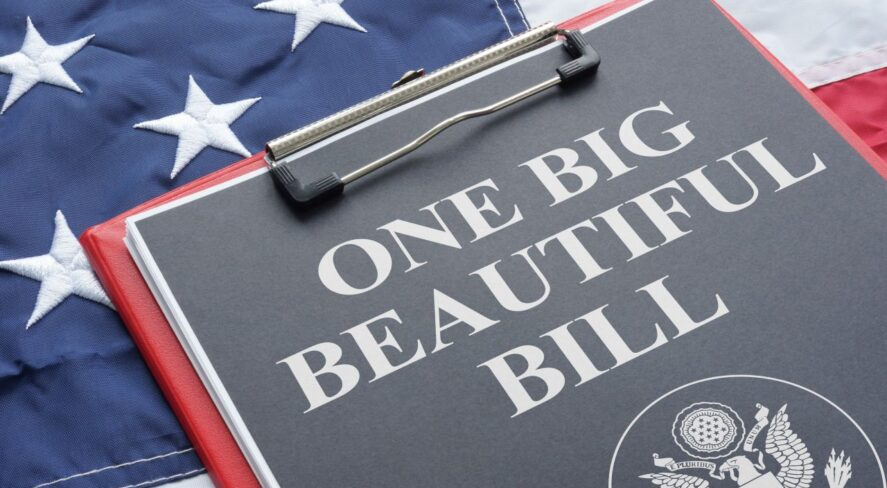
The One Big Beautiful Bill Act (OBBBA) was certainly a hot topic back when America was heading into its July 4th celebration of 2025 – which was already half a year ago! It passed with a narrow majority and provided sweeping tax overhaul. Here are the key changes of OBBBA:
- Increased standard deductions and child tax credit
- No tax on tips & no tax on overtime pay deductions
- Higher State And Local Tax deductions (SALT): up to $40,000 vs. $10,000 cap in prior year
- Enhanced deductions for seniors (65+)
- Brand new car loan interest deduction
- No more clean vehicle tax credit after Sep 30, 2025
For businesses, here are a few key changes:
- QBI is made permanent and enhanced
- 100% bonus depreciation is brought back and made permanent
- Section 179 expensing limits are increased
=> This helps small creators & businesses upgrade equipment and deduct it immediately
- R&D costs can be fully expensed in the year incurred
- Higher reporting threshold for 1099(s) so third-party & independent contractor payments are adjusted upward
=> Fewer small-payment reporting hassles for creators and gig-workers
Tax Tips for Musicians

As a musician, you are entitled to unique deductions. Check out these tax tips to get started:
- You can deduct your studio or workspace! Costs include booking fees for recording studios, rent for classroom or teaching space (if you are a music instructor), and even utility costs for your workspace
- Website/Social media advertising costs are also fair game! As a musician, you probably need to maintain a strong online presence. Fees associated with maintaining your website, like domain registration and monthly hosting, are deductible. If you run a promotion campaign on Instagram for your new album, that is deductible too
- Costs associated with events/social functions, such as your travel, lodgings, meals, and attendance fees for the National Association of Music Merchants or Coachella are deductible, as long as you can prove there is a business reason for you to attend
- What about your very own musical instruments? As a musician, some of your biggest costs, such as your instruments, cases, bows, music stands, even your music library, etc. are considered capital expenses. You are usually able to claim these costs in small increments over time (a process called “depreciation”).
- Brand new large deduction under OBBBA: expenses related to qualified sound recording productions can be deducted right away up to $150,000 in the year they occurred, rather than being depreciated over the years. If you’re putting money into recording, mixing, producing, mastering, or demo sessions for a release that qualifies as a U.S. sound recording, you may get a more powerful tax break that year.