
How does the One Big Beautiful Bill affect you as a blogger? Read on to see relevant OBBBA policies on self-employment taxes, and understand what you can do to minimize your taxable income.
One Big Beautiful Bill Act (OBBBA) Changes
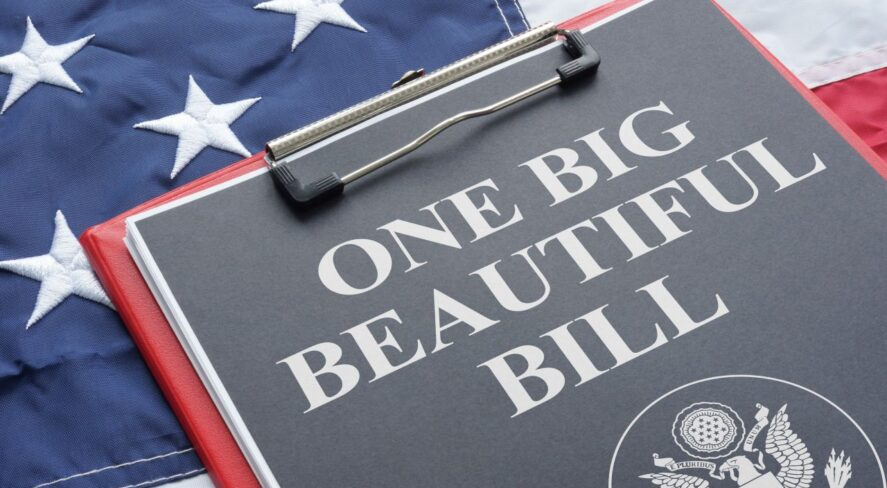
The One Big Beautiful Bill Act (OBBBA) was certainly a hot topic back when America was heading into its July 4th celebration of 2025 – which was already half a year ago! It passed with a narrow majority and provided sweeping tax overhaul. Here are the key changes of OBBBA:
- Increased standard deductions and child tax credit
- No tax on tips & no tax on overtime pay deductions
- Higher State And Local Tax deductions (SALT): up to $40,000 vs. $10,000 cap in prior year
- Enhanced deductions for seniors (65+)
- Brand new car loan interest deduction
- No more clean vehicle tax credit after Sep 30, 2025
For businesses, here are a few key changes:
- QBI is made permanent and enhanced
- 100% bonus depreciation is brought back and made permanent
- Section 179 expensing limits are increased
=> This helps small creators & businesses upgrade equipment and deduct it immediately
- R&D costs can be fully expensed in the year incurred
- Higher reporting threshold for 1099(s) so third-party & independent contractor payments are adjusted upward
=> Fewer small-payment reporting hassles for creators and gig-workers
Tax Tips for Bloggers

Bloggers are taxed the same as self-employed individuals. You’ll likely need to withhold your own taxes by making estimated taxes by each quarterly deadline. But you may also be able to write off expenses related to your work, like your expensive camera gear. Check out these tax tips to get started:
- Expect to pay estimated taxes to the IRS each quarter. The due dates are April 15, June 15, September 15 and January 15 of the following year
- Expect to be subject to self-employment taxes of 15.3% (see this blog article for more info)
- Deductible expenses for bloggers can include a lot more than you think! Anything reasonable and necessary for your trips outside the home for a vlog like car milage, or the parking fee at that fancy shopping mall you are doing a livestream at, would be fair game
- Business or a Hobby? You have to decide whether you are running a legitimate business or just a fun hobby with your blogging gig. If your business is categorized as a hobby, the IRS will disallow your business expense deductions (other than cost of goods sold). To claim your deductions, you will need to demonstrate to the IRS that you are running a bona fide business. The most obvious way to prove this is to earn a profit. Remember, the rule of thumb is to have a profit in at least 3 out of the most recent 5 tax years to qualify as a legitimate business.